
If you plan to install an indoor playground, proper pre-installation planning and renovation are essential for a safe and successful project.For investors looking to build a profitable indoor children’s playground, site decoration is more than just a design project. It directly affects equipment installation safety, daily operation, customer experience, and long-term profits.
As a professional manufacturer of indoor soft play equipment, we focus on practicality, equipment compatibility, and real installation needs. This guide will help you match your space perfectly with soft play equipment, creating a safe and profitable play area.
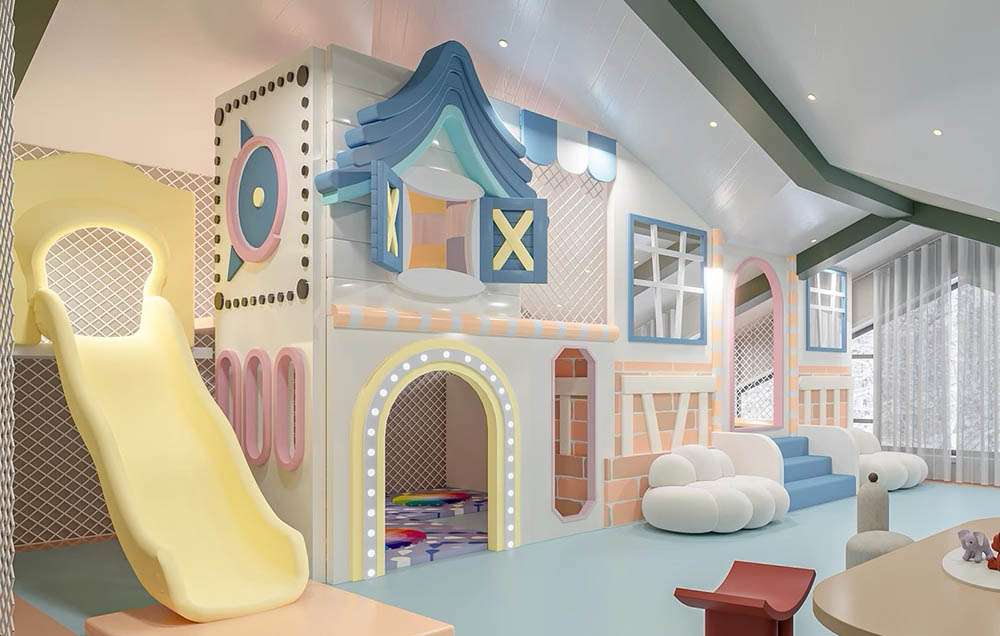
1. Basic Hard Renovation: Build a Stable Foundation for Your Soft Play Equipment
Basic decoration provides the foundation for soft play structures, trampolines, and climbing frames. A strong base keeps equipment stable, extends its life, and reduces safety risks.
1.1 Eco-Friendly & Safe Building Materials
Use low-formaldehyde, non-toxic building materials for your playground. Poor-quality materials can harm children’s health and damage the PVC and plastic parts of your play equipment.
Always complete an air quality test after decoration. Only start equipment installation when the environment meets safety standards. This builds trust with parents and protects your equipment investment.
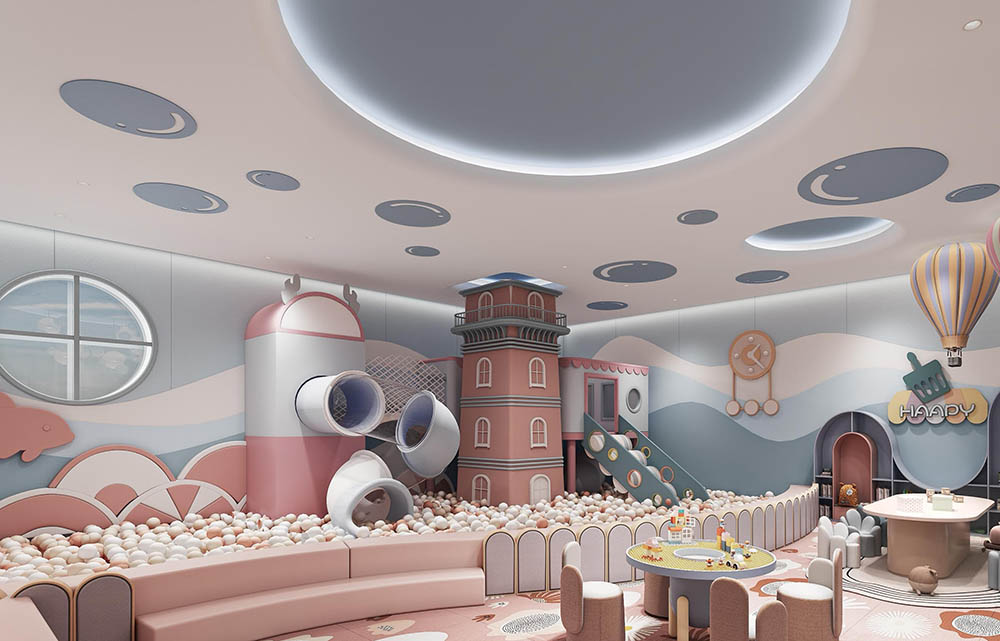
1.2 Prepare the Floor Properly
Floor quality is critical for installing indoor playground equipment.
- For high-activity areas (slides, trampolines, soft play zones), use elastic, non-slip PVC flooring or thick EVA mats.
- Keep the floor level, without cracks or uneven sections.
An uneven floor will make equipment unstable and unsafe during use.
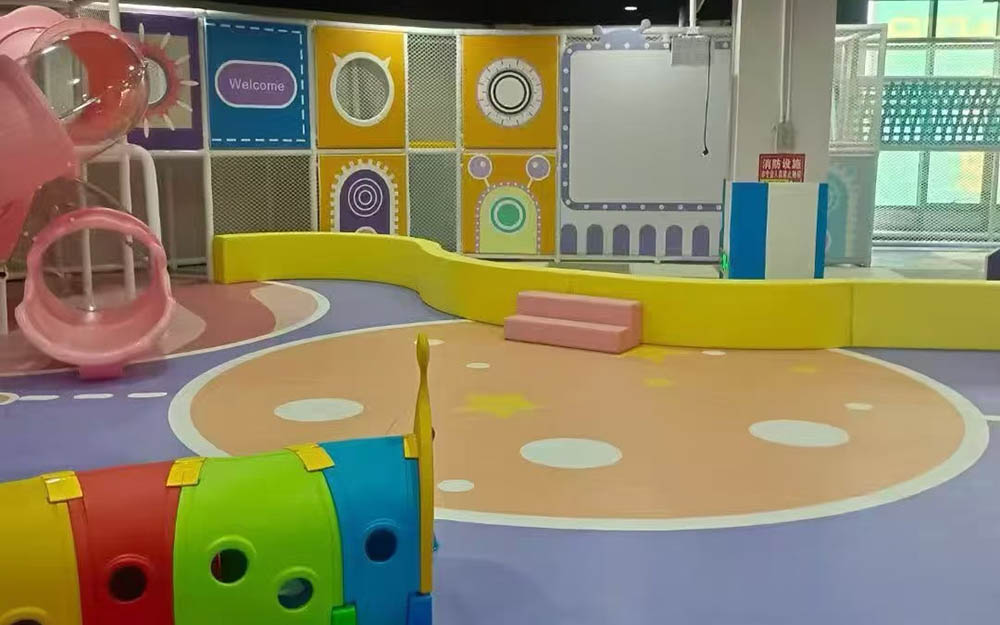
1.3 Wall & Column Protection
Cover all columns, corners, and sharp edges with soft padding.T
his protects children from injury and prevents damage to your play equipment during installation and daily use. Good padding also helps extend the life of your entire play set.
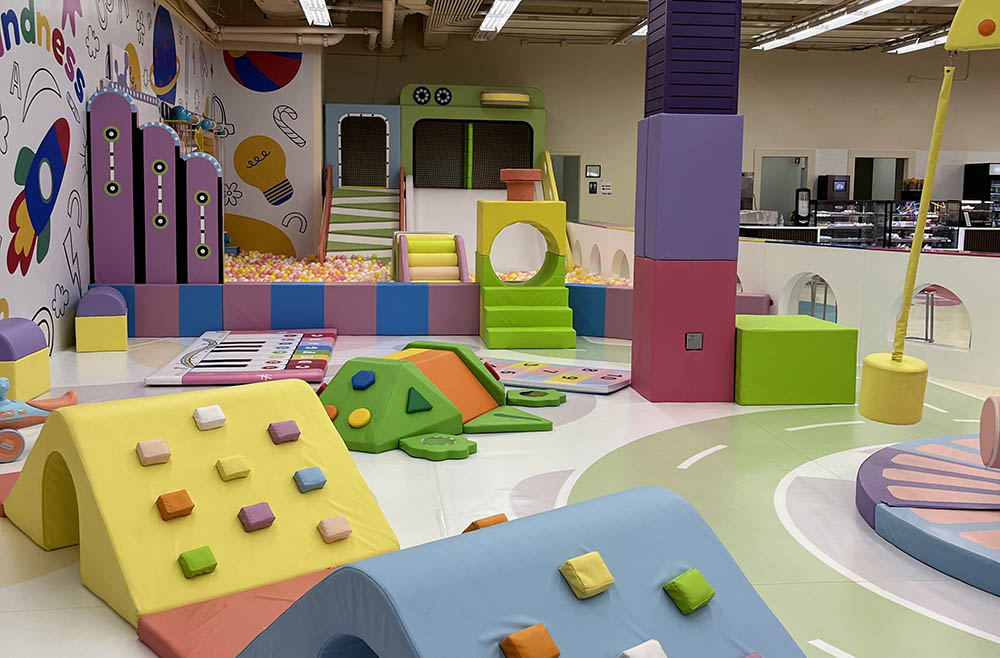
1.4 Pre-Reserve Water & Electricity Layouts
Arrange wiring, sockets, and drainage before installation. Many interactive and electric play devices need power supplies.
Use independent circuits for high-power equipment to ensure stable performance. Add extra sockets in the parent waiting area to improve customer experience.
2. Functional Zone Layout: Optimize Traffic Flow for Efficient Operation
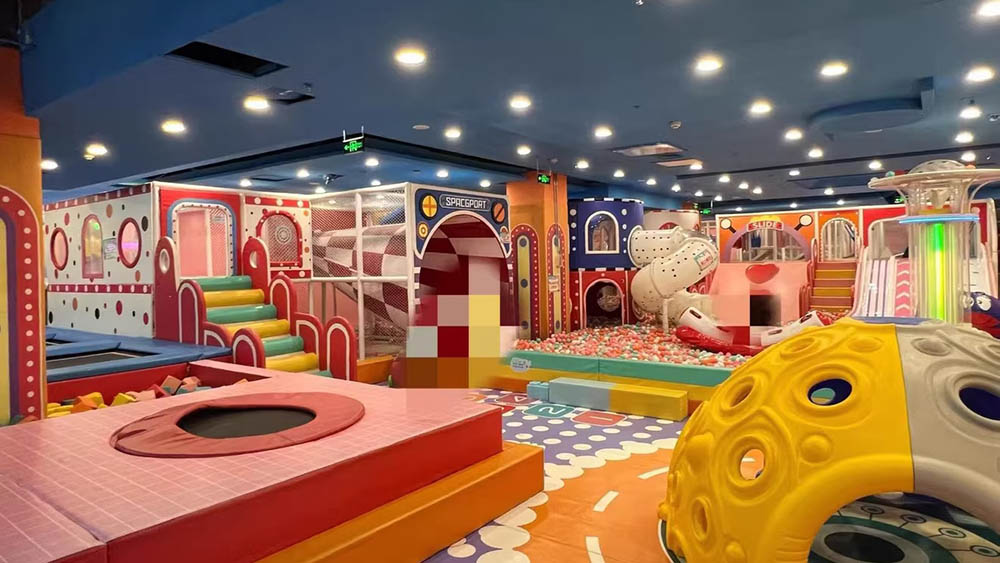
Good indoor playground pre-installation planning and renovation can avoid many problems in later construction. A chaotic layout leads to overcrowding, safety risks, and poor user experience. The goal of functional zoning is to maximize space utilization, match play equipment with user needs, and make daily management easier for operators.
2.1 Separate Dynamic & Static Zones
Place high-energy equipment (soft play structures, slides, ball pits) in one area.
Set up a separate quiet zone for reading, handcrafts, and parent-child activities.
This reduces conflicts and makes supervision easier for your staff.
2.2 Age-Appropriate Zoning
Divide the space into two core age groups to match your soft play equipment specifications:
- Toddler zone (0-3 years old): Equipped with small, gentle soft play structures, low slides, and sensory play equipment, with extra safety barriers.
- Kids zone (4-12 years old): Install larger soft play complexes, high trampolines, and challenging climbing frames.
Age-appropriate layout ensures every piece of play equipment is used effectively and keeps children safe while playing.
2.3 Keep Clear Supervision Vision
Use an open layout so parents can easily watch children from the waiting area.
This improves satisfaction and meets safety requirements in shopping malls and family entertainment centers.
3. Theme & Soft Decoration: Highlight Your Soft Play Equipment’s Appeal
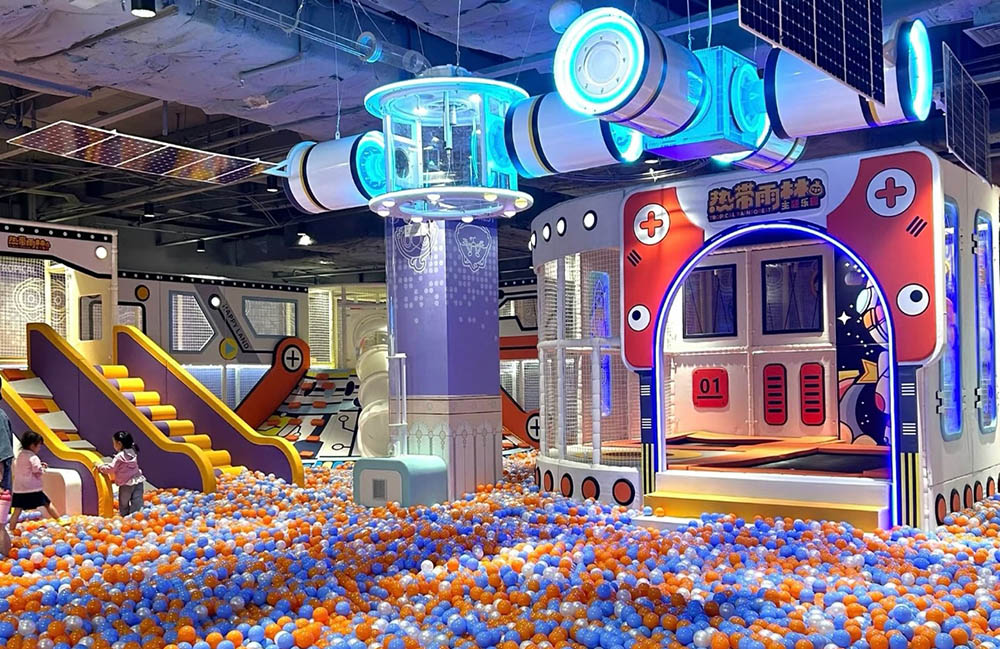
Soft decoration is not just for aesthetics—it enhances the visual appeal of your indoor soft play equipment, strengthens brand identity, and encourages social media sharing, which drives more foot traffic.
3.1 Unified Theme Design
Choose a theme that matches your soft play equipment, such as ocean, forest, space, or candy style. Use matching wall paintings, decorations, and lighting to create a consistent look.
A cohesive theme makes your playground more memorable and attractive to children.
3.2 Comfortable Color Matching
Avoid overly bright colors that cause eye fatigue.
Use soft, warm tones as the main color, with small bright accents in play areas.
This protects children’s eyes and makes your play equipment look more professional.
3.3 Easy-Maintain Soft Furnishings
Select waterproof, stain-resistant, and washable materials for sofas, cushions, curtains, and carpets. Children’s playgrounds have high foot traffic, so easy-to-clean furnishings reduce daily maintenance workload and keep the area around play equipment tidy at all times. Durable soft furnishings also lower long-term operational costs for playground operators.
4. Lighting and Small Details
Good lighting improves safety and experience for any indoor play center:
- Use stable, flicker-free LED lights in active play zones
- Use soft, warm lighting in waiting and quiet areas
- Install protective covers on all lamps to avoid burns or breakage
- Leave enough space around equipment for cleaning and maintenance
5. Conclusion: Decoration Serves Your Play Equipment
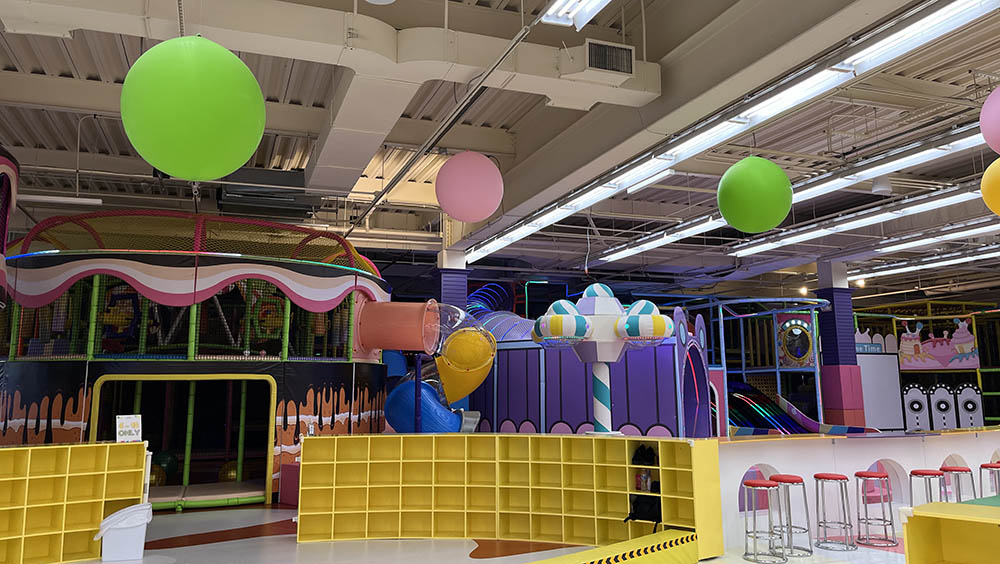
Indoor playground decoration should always support your soft play equipment. The goal is to make equipment safer, more practical, and more profitable.
As a professional indoor soft play equipment manufacturer, we provide high-quality CE-certified products. We also offer free layout planning, equipment matching, and installation guidance based on your space, budget, and operation needs.
Our one-stop solution helps you avoid decoration mistakes, save costs, and build a successful indoor playground. We hope this indoor playground pre-installation planning and renovation guide helps you prepare your site better.